


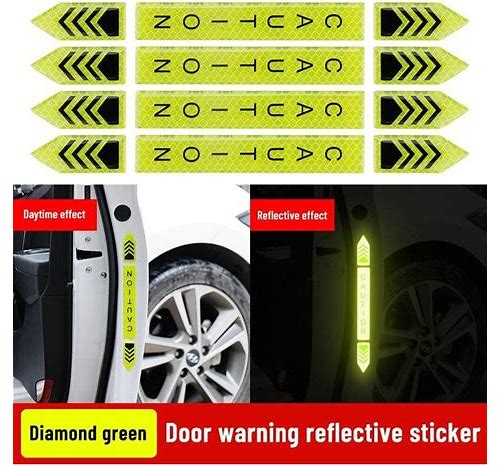


Outdoor Warning Labels: Let the Environment Choose the Material
An outdoor warning label has one job: to be seen, understood, and trusted when it matters most. But the great outdoors is not a single environment. A label on a highway construction cone faces very different threats than a label on a chemical plant valve or a remote telecom cabinet. Sun, rain, cold, heat, abrasion, chemicals, and road grime all attack labels in different ways. Choose the wrong material, and your warning label could fade, peel, or disappear entirely—just when someone needs it most.
This guide breaks down four common outdoor scenarios and the label materials best suited for each. The core principle is simple: match the material to the environment. When you do, your safety message stays visible, legible, and reliable for years.
Scene One: Road Construction – Reflective Labels for Nighttime Safety
The Environment: Road construction zones are chaos. Traffic cones, barricades, signs, and drums are exposed to vehicle exhaust, dust, road spray, and constant vibration. But the biggest challenge is night. When headlights sweep across a work zone, warning labels must grab attention instantly—from a distance, in the dark, often in rain or fog.
The Material Solution: Reflective Warning Labels
Reflective labels use retroreflective technology. Tiny glass beads or prismatic structures embedded in the film bounce light directly back toward its source. When a car's headlights hit a reflective warning label, the label appears to glow brilliantly, even from hundreds of feet away.
For road construction applications, the best choice is typically engineer-grade reflective film(meeting ASTM D4956 Type I or higher). These materials feature:
-
Pressure-sensitive adhesive for easy application to cones, barrels, and barricades
-
Weather-resistant acrylic face that withstands rain and UV exposure
-
Longevity: 3-7 years of outdoor durability depending on grade
-
Color options: Fluorescent orange, yellow-green, or standard white/red for different warning contexts
Application Tips for Road Construction Labels:
-
Clean cone or barricade surfaces thoroughly before application (road film and dirt kill adhesion)
-
For curved surfaces like traffic cones, choose conformable reflective films that won't lift at the edges
-
For temporary work zones (days or weeks), removable reflective labels allow clean removal
-
For long-term projects, permanent adhesive ensures the label stays put
Why Paper or Standard Vinyl Fails: Standard vinyl lacks the retroreflective properties. At night, it appears dark and nearly invisible. Paper labels absorb moisture, delaminate, and fall off within days.
Scene Two: Utility and Telecom Cabinets – UV-Resistant Vinyl for Long-Term Sun Exposure
The Environment: Electrical distribution cabinets, traffic signal controllers, telecom junction boxes, and utility pedestals sit outdoors for years. They face relentless sun (UV radiation), temperature swings from freezing to scorching, rain, snow, and occasionally vandalism. A warning label on a high-voltage cabinet must remain legible for a decade or more. “High voltage – risk of death” is not a message that can fade away.
The Material Solution: Vinyl (PVC) with UV Overlaminate
Vinyl outdoor labels (also called UV resistant outdoor stickers) are the workhorse of the utility industry. High-quality calendered or cast PVC labels with a UV-blocking overlaminate offer:
-
UV stability: Resists yellowing, cracking, and fading for 3-5 years (cast vinyl can last 5-7+ years)
-
Waterproof: Impervious to rain, humidity, and pressure washing
-
Temperature range: Typically -40°C to 80°C (-40°F to 176°F)
-
Dimensional stability: Won't shrink, curl, or delaminate with age
-
Printable: Accepts screen printing, digital, or thermal transfer
The Critical Extra: UV Overlaminate
A clear UV overlaminate (a thin protective film applied over the printed label) dramatically extends outdoor life. The overlaminate absorbs UV radiation that would otherwise degrade the ink and the vinyl itself. For long lasting outdoor labels on utility cabinets, a UV overlaminate is not optional—it is essential.
Application Tips for Utility Labels:
-
For smooth, flat cabinet surfaces, calendered vinyl with permanent acrylic adhesive is sufficient.
-
For textured or slightly rough surfaces (powder-coated metal, some plastics), choose a high-tack adhesive.
-
For cabinets in extreme sun (Arizona, Saudi Arabia), upgrade to cast vinyl with a 7-year warranty.
-
Always include a UV overlaminate for any label expected to last more than 12 months outdoors.
Why Paper or Unprotected Vinyl Fails: Paper absorbs moisture and UV-degrades within months. Unlaminated vinyl may survive 1-2 years but will fade and crack. Only weatherproof safety signswith UV-protected vinyl and overlaminate deliver the 5+ year life that utilities demand.
Scene Three: Chemical Plant Valves and Piping – PET Labels for Corrosive Environments
The Environment: Chemical plants, refineries, wastewater treatment facilities, and industrial manufacturing sites expose labels to aggressive substances. Acids, alkalis, solvents, oils, fuels, and cleaning agents can destroy ordinary materials within weeks. A valve tag that says “Caustic – Use PPE” must survive accidental splashes. A pipe label indicating “Hydrochloric Acid” cannot dissolve when exposed to its own contents.

The Material Solution: PET (Polyester) Labels with Chemical-Resistant Adhesive
PET labels (polyethylene terephthalate, the same family as Mylar) offer exceptional chemical resistance. When combined with a specialized chemical resistant adhesive, they stand up to environments that would destroy PVC or paper.
Key properties of chemical resistant labels made from PET:
-
Solvent resistance: Resists many hydrocarbons, alcohols, and ketones
-
Acid/alkali resistance: Withstands dilute acids and bases (specific compatibility depends on concentration and duration)
-
Temperature range: Typically -40°C to 150°C (-40°F to 302°F) for standard PET; high-temperature versions reach 200°C+
-
Tear resistance: Extremely difficult to tear, even when notched
-
Print durability: Resin thermal transfer printing produces legends that resist chemical smearing
Alternative: Acrylic Labels
For extremely demanding chemical exposures, acrylic labels (acrylic-faced films) offer even higher chemical resistance than PET. However, acrylic is more expensive and less flexible. For most chemical plant valve tags and pipe labels, high-quality PET with a chemical-resistant permanent acrylic adhesive is the standard choice.
Application Tips for Chemical Plant Labels:
-
Verify chemical compatibility before selection. Some solvents attack PET; others attack acrylic. Consult compatibility charts.
-
Use resin thermal transfer printing (not wax/resin hybrid) for maximum chemical resistance.
-
For valve tags that will be handled frequently (with oily or chemical-contaminated gloves), consider a lamination or thick overcoat.
-
Clean surfaces rigorously before application – any residual chemical or oil under the label will attack the adhesive from below.
Why PVC or Paper Fails: PVC swells or softens when exposed to many solvents and aromatic hydrocarbons. Paper absorbs chemicals, delaminates, and becomes illegible. Only PET chemical labels with appropriate adhesives provide the long-term reliability that chemical plants require.
Scene Four: Outdoor Equipment Nameplates – Polyimide or Metal-Faced Labels for Abrasion Resistance
The Environment: Outdoor equipment nameplates face a different challenge: mechanical abuse. Generators, pumps, compressors, agricultural machinery, and heavy earthmoving equipment are constantly handled, bumped, scraped, and pressure-washed. A manufacturer's nameplate or specification label must remain readable for the machine's 10-20 year service life, despite repeated abrasion.

The Material Solution: Polyimide Labels or Metal-Faced Laminates
Polyimide labels (often known by the trade name Kapton) are high-performance polymer films with extraordinary mechanical and thermal properties:
-
Abrasion resistance: Stands up to repeated wiping, scraping, and contact
-
Temperature range: -70°C to 300°C (-94°F to 572°F) for continuous use
-
Chemical resistance: Excellent resistance to oils, fuels, and most solvents
-
Tear resistance: Extremely high – virtually impossible to tear by hand
-
Thin profile: Can be as thin as 25 microns, fitting into tight spaces
For the most demanding equipment nameplate applications, metal-faced labels (aluminum or stainless steel facestock with adhesive backing) offer near-indestructible durability. These are essentially thin metal plates with pressure-sensitive adhesive.
Polyimide labels are ideal for:
-
Agricultural equipment (exposed to dirt, scratches, power washing)
-
Generator sets (vibration, heat, occasional fuel spills)
-
Industrial pumps (moisture, chemical exposure, abrasion)
-
Heavy truck components (road grime, vibration, temperature swings)
Metal-faced labels (aluminum) are specified when:
-
The label must survive scraping against rocks or concrete
-
Extreme temperatures exceed polyimide limits
-
A premium, permanent appearance is required (e.g., brand nameplates)
-
Regulatory requirements demand metal tags (certain fire safety or pressure vessel applications)
Application Tips for Equipment Nameplates:
-
For polyimide labels, use high-temperature acrylic adhesive rated for the equipment's operating temperature.
-
Clean surfaces with isopropyl alcohol or a degreaser – any oil under the label will eventually cause failure.
-
For metal-faced labels, consider riveting or screwing in addition to adhesive for maximum security.
-
For agricultural equipment that will be power-washed frequently, choose labels with an extra-thick overlaminate or metal face.
Why Standard Vinyl or PET Fails: Ordinary vinyl outdoor labels are too soft; they scratch, abrade, and become unreadable within months on heavy equipment. PET is more abrasion-resistant but still vulnerable to repeated scraping. Only polyimide equipment labels or metal-faced constructions deliver the multi-year abrasion resistance that heavy equipment demands.
Conclusion: Choose Right, Stay Safe
The outdoor environment is unforgiving, but it is also predictable. Sun, rain, chemicals, abrasion, and darkness each demand specific label materials. There is no single "best" outdoor warning label. There is only the best match for your specific scene.
-
Road construction needs reflective warning labels that shine under headlights.
-
Utility cabinets need UV resistant outdoor stickers (vinyl + overlaminate) for 5+ year sun exposure.
-
Chemical plants need PET labels or chemical resistant labels that won't dissolve when splashed.
-
Heavy equipment needs polyimide labels or metal-faced nameplates that shrug off abrasion.
When you match the material to the environment, your warning stays visible, your message stays legible, and your safety systems stay intact. A label that fails is worse than no label at all—it creates a false sense of security. Don't let that happen.
Assess your environment. Define your lifespan requirements. Then choose the durable outdoor decal that fits. Safety depends on it.
Ready to equip your outdoor assets with the right warning labels? Contact us to discuss your specific environment, required lifespan, and material needs. From reflective films to polyimide nameplates, we have the label that won't let you down.